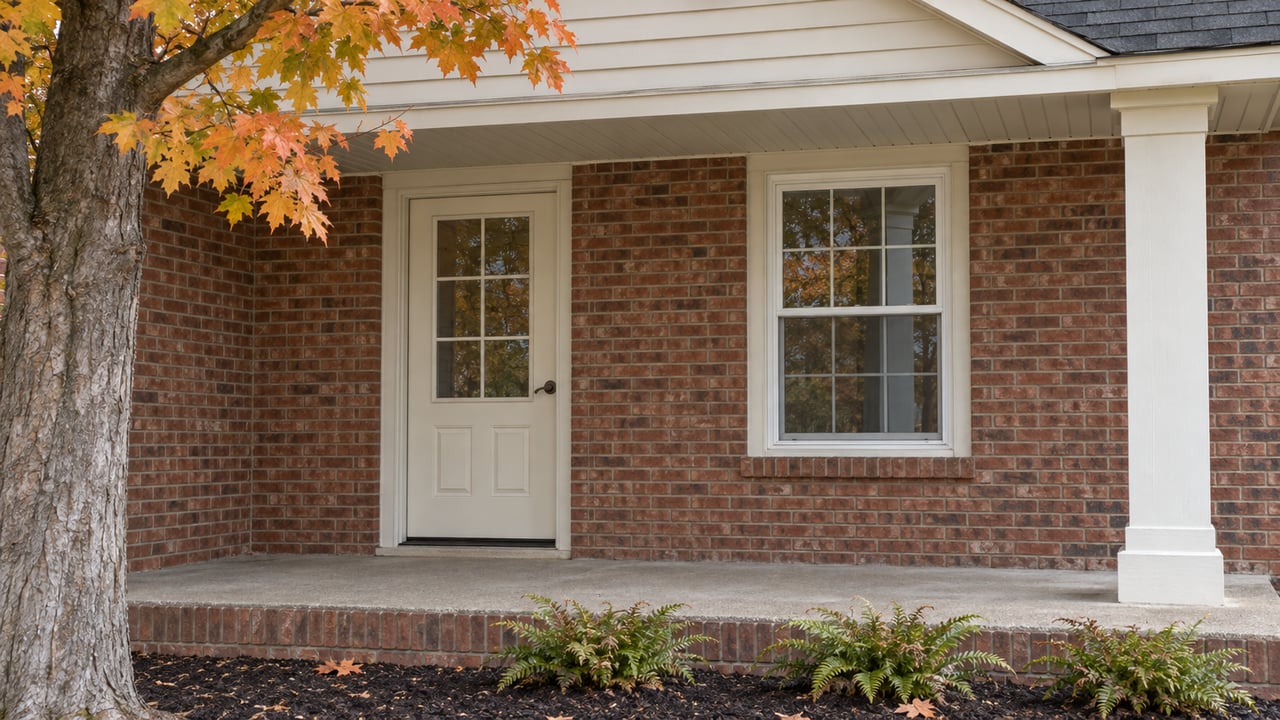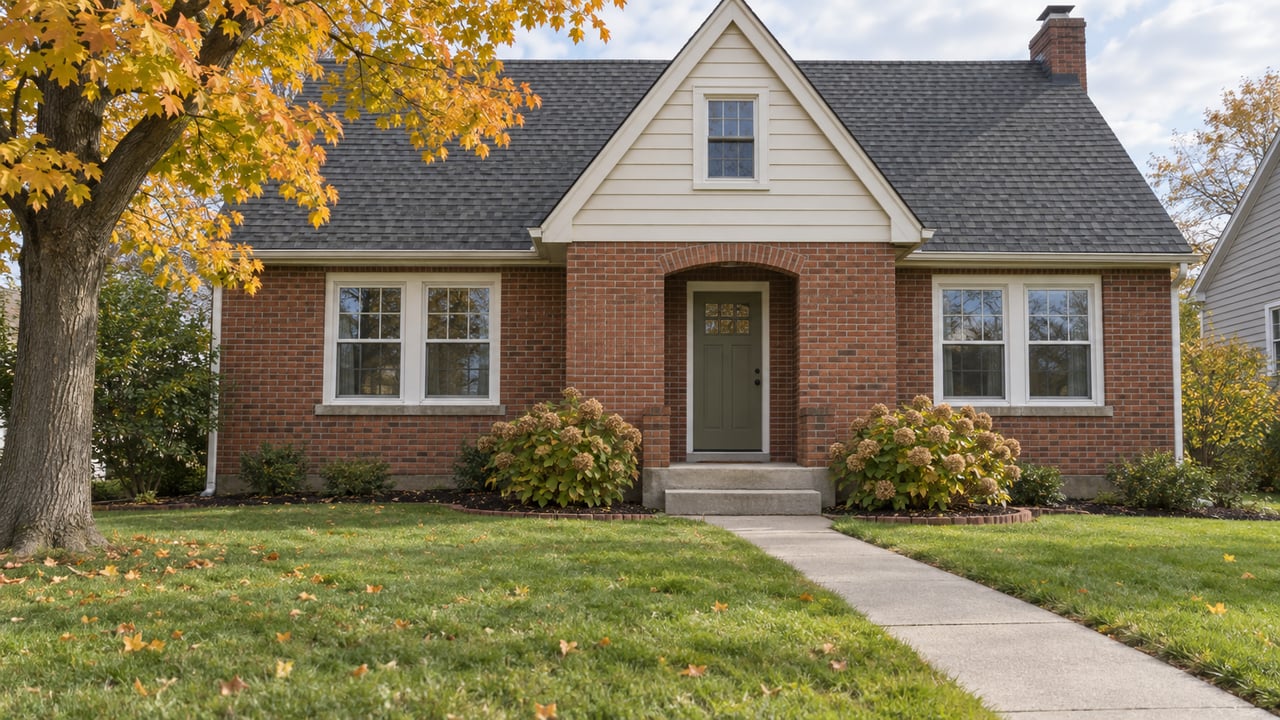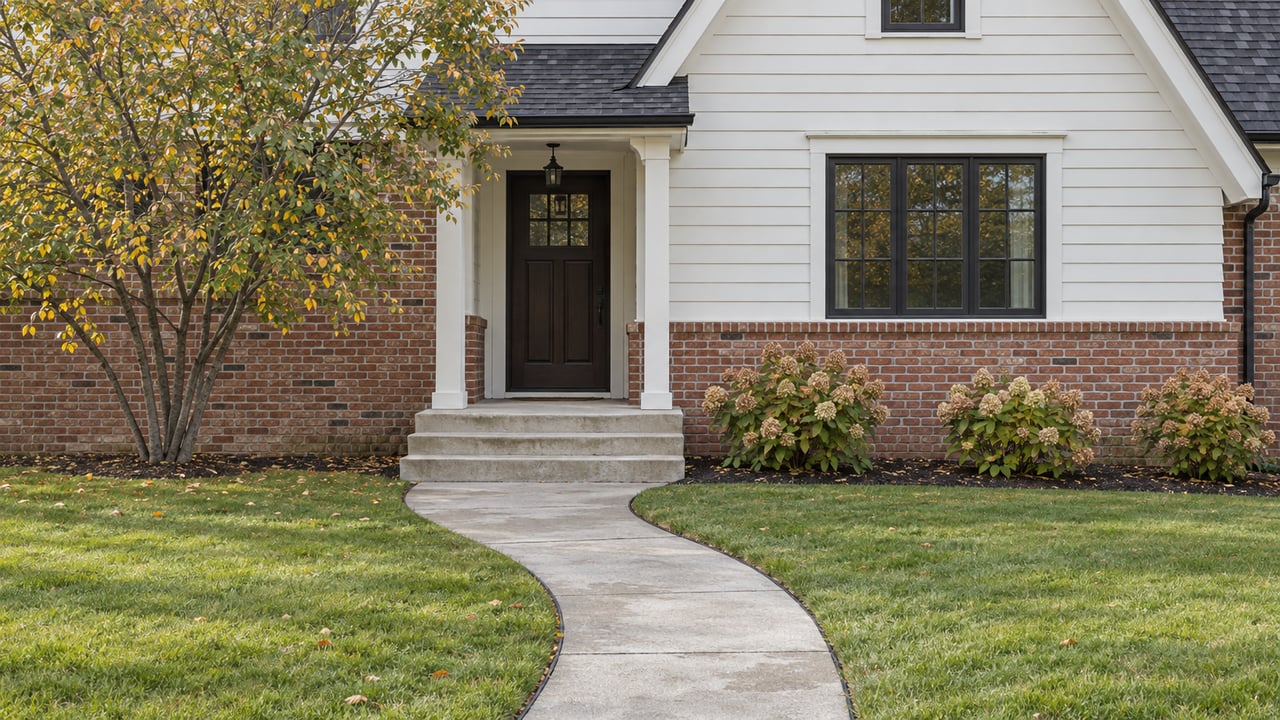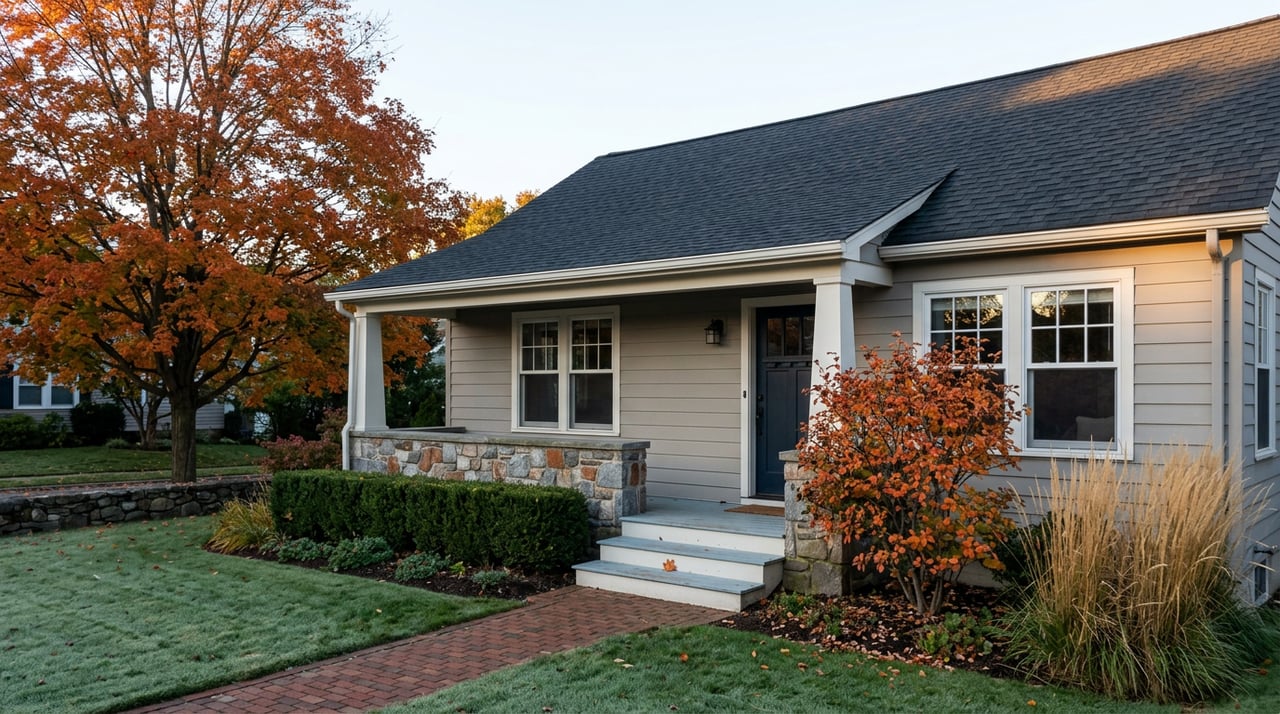
Wondering what “rambler,” “split-level,” or “new build” really means when you’re house hunting in Edina? In a city where lot value, renovation scope, and home era can shape your options as much as square footage, those labels only tell part of the story. If you want to understand how Edina homes actually live, what drives price, and which style may fit your next move, this guide will help you sort through the choices. Let’s dive in.
Why home style matters in Edina
Edina is a mature, fully built-out community, and that has a big effect on the homes you see. City data shows more than 13,000 single-family homes, and Edina’s long-term land use plan still keeps more than half of its land in single-family residential use.
That means buyers are often comparing homes from different building eras on very different lots, instead of choosing between brand-new subdivisions. In Edina, a home style often signals when a home was built, how the lot is used, and how much updating may be needed.
City planning materials describe Edina’s most common residential pattern as postwar single-family homes on wooded lots along curving streets. The city’s historic context also notes that much of Edina’s suburban landscape was platted and built after about 1935, with redevelopment becoming the main driver of change over time.
Ramblers in Edina
Ramblers, often called ranch homes, are one of the most recognizable styles in Edina. The city’s historic context study says the first ranch-style homes here likely date to around 1940, and many were built from standardized plans during the postwar years.
These homes typically have a single-story layout, a low-pitch roof, picture windows, and a more informal floor plan. Bedrooms are usually separated from the main living spaces, and many originally featured patios instead of formal front porches.
For daily life, the biggest draw is simple: most living happens on one level. If you want fewer stairs and easy flow between the kitchen, living areas, and bedrooms, a rambler can be a practical fit.
Another thing to watch is the garage setup. Many older ramblers were built with detached or single-stall garages, and some have been expanded over time. That can create very different experiences from one rambler to the next, even if the homes look similar from the street.
What buyers often like about ramblers
- Main-level living
- Straightforward floor plans
- Easier day-to-day movement with fewer stairs
- Good potential for updates, depending on the lot and existing layout
What to look closely at
- Whether the home is original, updated, or fully remodeled
- Basement finish and ceiling height
- Garage size and placement
- Rear-yard space for possible additions
Split-level homes in Edina
Split-level homes became common in Edina during the 1960s. According to the city’s historic context study, this style helped add usable space while keeping lots smaller, and it worked especially well on sloping sites.
A typical Edina split-level often includes a low-pitch gable roof, wide eaves, and an attached lower-level garage. In many cases, the exterior materials and window patterns are similar to ranch homes, but the interior layout feels very different.
The main appeal of a split-level is separation of space. You often get distinct zones for living, sleeping, and recreation, which can make the home feel functional even without a fully open-concept design.
The tradeoff is stairs. Unlike a rambler, a split-level usually asks you to move between levels more often. For some buyers that is no issue, while others know right away they want a simpler one-floor layout.
Why split-levels still appeal
The city’s historic context points to the lower-level recreation room as a classic feature of the 1960s family layout. Today, that lower level still gives buyers bonus space for hobbies, media, guests, or flexible everyday use.
If you want a home with separate hangout areas, a split-level may offer more function than you expect. The key is to picture how you would actually move through the home each day.
Two-story and traditional-style homes
Edina also has many two-story homes that are often described as Colonial, Tudor, or Mediterranean. The city’s historic context says many of these are better understood as contractor-built or modernistic homes with nostalgic design details, rather than true period-revival originals.
Many of these homes sit on half-acre or larger platted lots, and similar looks became more marketable in the late 1960s and 1970s. In practical terms, these homes often give you a more traditional separation between public and private spaces.
That usually means living spaces on the main floor and bedrooms upstairs. If you like that layout, a two-story home can offer a sense of structure and room to spread out.
These homes can also come with more yard space, more garage flexibility, and more potential for additions, depending on the lot. In Edina, lot size and siting can be just as important as the style itself.
Best fit for this style
Two-story and traditional-style homes may appeal to you if you want:
- More separation between living and sleeping areas
- Larger platted lots
- A more classic exterior look
- Room to evaluate long-term renovation options
New builds and rebuilds in Edina
When buyers hear “new construction,” they sometimes picture a large new neighborhood. That is usually not how it works in Edina.
Because the city is already fully developed, newer single-family homes usually come from tear-down and rebuild projects, infill lots, or major remodels. City and regional planning materials point to incremental redevelopment as the main form of change.
That helps explain why newer homes often command a premium. You are not just paying for new finishes. You are also paying for land scarcity, current design preferences, and modern code compliance in a market with limited inventory.
As of April 2026, Minneapolis Area REALTORS reported 182 homes for sale in Edina, with 2.8 months of inventory, a median sales price of $705,000, and an average sales price of $898,008. In that kind of market, the gap between an original home and a rebuilt one can be significant.
Why the lot matters as much as the style
One of the most useful ways to understand Edina homes is to look beyond the style label. The city describes many single-family areas as wooded lots on curving streets, and its historic context notes that neighborhood character is shaped by lot size, street pattern, roadway width, and the relationship between the house, driveway, and garage.
That means two homes with the same basic style can offer very different possibilities. A rambler on a wider lot may have a clearer path for expansion, while another may be limited by setbacks, tree protection, or site layout.
The same goes for split-levels and two-stories. Slope, garage placement, and backyard depth can all affect how a home lives today and what changes may be realistic later.
Renovation potential in Edina
In Edina, renovation potential is rarely just about square footage. It is often about the combination of home style, lot shape, tree canopy, and city rules.
Ramblers and split-levels are often the easiest styles to picture as update candidates. Based on their layouts and siting patterns, additions may sometimes fit to the rear, lower levels may offer rework potential, and garage configurations can sometimes be changed more easily than in more formal older layouts.
Edina’s ADU rules are also part of the conversation. The city legalized accessory dwelling units in April 2024 and allows internal, attached, and detached ADUs on R-1 properties, but projects still need to meet rules for setbacks, height, building coverage, tree protection, stormwater, and floodplain limits.
The city also notes that converting existing space can create building code compliance challenges. So if you are comparing homes based on future plans, it helps to treat style as the starting point, not the final answer.
What style may fit your goals
The best Edina home style for you depends on how you want to live, not just what looks best in photos. A home that feels perfect online may work very differently once you factor in stairs, lot shape, garage access, or renovation limits.
Here is a simple way to think about it:
- Choose a rambler if you want easier main-level living and fewer stairs.
- Choose a split-level if you want distinct living zones and useful lower-level space.
- Choose a two-story if you prefer bedrooms upstairs and living space below.
- Choose a newer build or rebuild if you want current design, newer systems, and are comfortable paying a premium for those features.
In Edina, a style label is really shorthand for age, site pattern, and update scope. Once you understand that, you can compare homes more clearly and make better decisions in a fast-moving market.
If you are weighing whether an original rambler, an updated split-level, or a rebuild makes the most sense for your next move, local context matters. The team at The McNamara Group can help you compare Edina home styles, neighborhood patterns, and market opportunities with a strategy built around your goals.
FAQs
What is a rambler in Edina?
- In Edina, a rambler is typically a one-story ranch-style home with a low-pitch roof, picture windows, and main living spaces on one level.
What makes split-level homes different in Edina?
- Edina split-level homes usually separate living, sleeping, and recreation areas across multiple levels, often with a lower-level garage and bonus space.
Where does new construction in Edina usually come from?
- Most newer single-family homes in Edina come from tear-downs, rebuilds, infill, or major remodels rather than large new subdivisions.
Which Edina home style has the fewest stairs?
- Ramblers usually offer the fewest stairs because daily living is concentrated on one floor.
Do lot features matter as much as home style in Edina?
- Yes. In Edina, lot width, slope, tree coverage, garage placement, and city rules can all shape a home’s livability and renovation potential.
Can you add an ADU to a home in Edina?
- Edina allows internal, attached, and detached ADUs on R-1 properties, but projects must meet city requirements for setbacks, height, building coverage, tree protection, stormwater, and other site constraints.