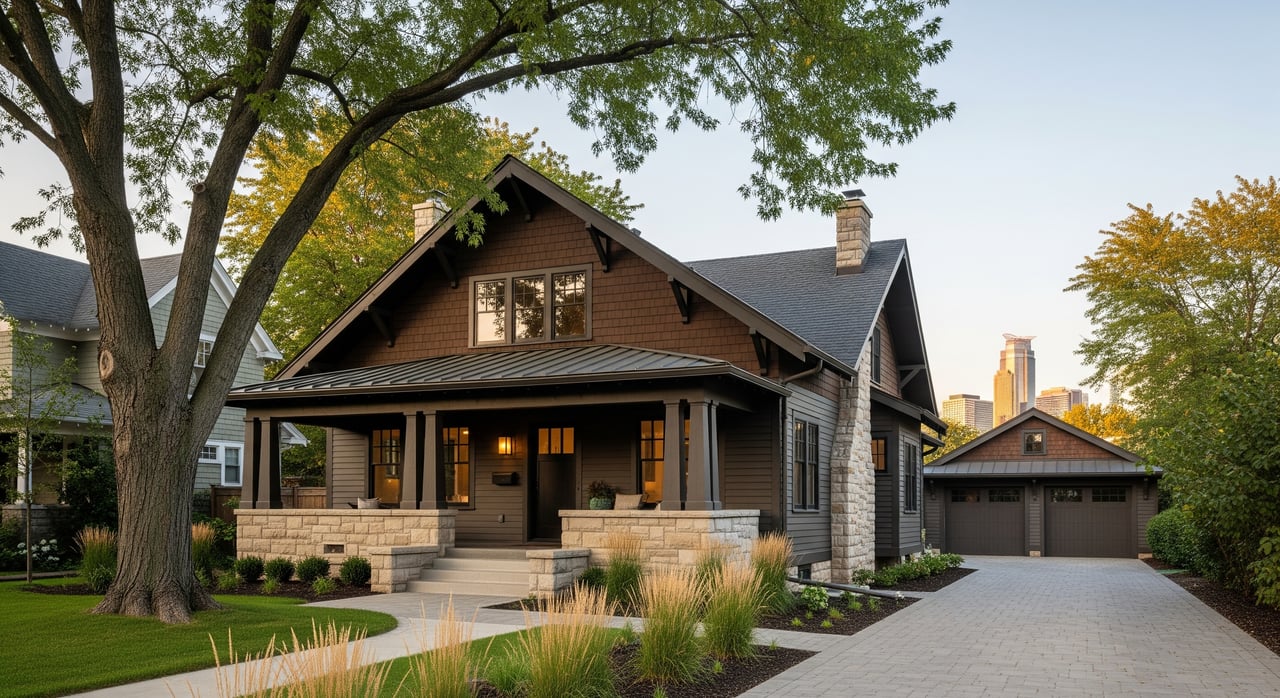
Buying your first home in Southwest Minneapolis can feel out of reach when the down payment and closing costs stack up. If you are eyeing Edina, Minnetonka, or Eden Prairie, you are not alone. Many local buyers use state and local programs to bridge the gap and get the keys. In this guide, you will learn which programs are most common here, how to qualify, and the steps to apply with a lender who knows these products. Let’s dive in.
First-time buyer programs in Southwest Minneapolis
Minnesota Housing at a glance
Minnesota Housing is the most widely used resource for first-time buyers across Hennepin County. Buyers often pair a fixed-rate first mortgage with down payment or closing cost assistance. Some funding rounds also include optional Mortgage Credit Certificates, known as MCCs. You usually apply through a participating lender and complete an approved homebuyer education course to qualify for certain assistance.
Why it matters locally: These products are commonly used in Edina, Minnetonka, Eden Prairie, and Southwest Minneapolis when affordability is tight. Program names, limits, and availability change over time, so plan to verify current details and lender participation before you start shopping.
Hennepin County and city options
Hennepin County maintains housing resources and may operate or refer buyers to first-time buyer, rehab, or tax programs. Several cities in the southwest suburbs, including Edina, Minnetonka, and Eden Prairie, may offer smaller-scale down payment help or targeted initiatives. These can be useful if you meet specific criteria, such as moderate income or employment categories. Check each city’s housing or community development page for the latest offerings.
Federal loan types that pair with assistance
Common first mortgages used with assistance include FHA, VA, USDA Rural Development, and conventional options like Fannie Mae HomeReady or Freddie Mac Home Possible. Your primary loan choice affects minimum credit score, mortgage insurance, and debt-to-income guidelines, so talk through loan type and assistance pairing early in the process.
Nonprofits, CDFIs, and community programs
Local nonprofits, community land trusts, and Habitat for Humanity Twin Cities offer alternative paths to homeownership and may provide education, specialized loans, or resale-restricted homes. Some community lenders and CDFIs also participate with Minnesota Housing or offer their own down payment assistance. HUD-approved counseling agencies can help you prepare and connect you with program-aware lenders.
Who qualifies and what you could get
First-time buyer definition
Many programs define a “first-time buyer” as someone who has not owned a home in the last 3 years. Some exceptions may apply for targeted areas or special circumstances. Always confirm the definition for the program you plan to use.
Income and price limits
Most assistance programs set household income caps tied to area median income and purchase price limits that vary by county and property type. In Hennepin County, these limits are published and updated periodically. Higher limits may apply for certain targeted categories.
How assistance is structured
- Down payment and closing cost assistance is often a second mortgage. It may be deferred, forgivable after a period of owner occupancy, or repayable when you sell or refinance.
- Grants or direct loans can cover part of your upfront costs, depending on the program and funding cycle.
- Fixed-rate first mortgages from Minnesota Housing provide competitive terms through participating lenders.
- Mortgage Credit Certificates (MCCs) reduce your federal income tax liability by a percentage of the mortgage interest you pay. Availability varies, and the benefit depends on your tax situation.
Common eligibility checks
- Credit and debt-to-income: Minimum credit scores and DTI limits follow your primary loan program. Assistance can influence borrowing capacity and underwriting rules.
- Property and occupancy: You must occupy the home as your primary residence. Many programs allow single-family homes or 1–4 unit owner-occupied properties. Condos must meet program or lender approval standards.
- Residency and citizenship: Programs may require U.S. citizenship or eligible immigration status. Review documentation requirements with your lender.
Typical assistance ranges and rules
Assistance amounts depend on the program and funding cycle. Historically, Minnesota Housing down payment assistance has ranged from a few thousand dollars up to a percentage of the purchase price, often around 3 to 10 percent for certain products. MCCs have historically offered a credit on a portion of paid mortgage interest. Because amounts and terms change, verify current limits and availability. Ask about forgiveness schedules, repayment triggers, and whether assistance affects your ability to refinance.
How to apply in this market
A simple five-step path
- Complete homebuyer education
- Take an approved course early. Many programs require it, and it can improve your readiness and timeline.
- Choose a participating lender
- Work with a lender that regularly originates Minnesota Housing loans and local assistance. Experience matters when reserving funds and assembling documents.
- Get preapproved
- Your lender will review credit, income, assets, and debts. Ask them to assess eligibility for down payment assistance and MCC if available.
- Reserve assistance
- Some programs require your lender to reserve funds on your behalf. Funding can be limited, so timing matters.
- Shop and close
- Coordinate your offer and closing timeline with your lender so assistance reservations, education certificates, and program paperwork are in place.
Finding the right lender
- Use Minnesota Housing’s list of participating lenders to find teams trained on program rules.
- Ask your real estate agent for lenders they have worked with on assistance-driven transactions in Edina, Minnetonka, or Eden Prairie.
- Verify license and registration through NMLS Consumer Access.
- Ask how many Minnesota Housing or local DPA loans the lender has closed recently and whether they support MCCs when available.
- Consider community lenders and CDFIs if you need more flexible underwriting.
Documents and timeline
- Common documents: government ID, Social Security number, 30 days of pay stubs, last 2 years of W-2s and federal tax returns if needed, 2 months of bank statements, proof of gift funds, rental history, homebuyer education certificate, and employment contact info.
- Timing: preapproval can take a few days to 1 to 2 weeks. From accepted offer to closing, plan for about 30 to 45 days, depending on program reservations and underwriting.
Homebuyer education and counseling
Many programs require a class from a HUD-approved or Minnesota Housing-approved provider. These courses cover budgeting, credit, the purchase process, and post-purchase planning. Local counseling agencies can also guide you toward lenders experienced with assistance in the Twin Cities.
Local tips for Edina, Minnetonka, and Eden Prairie
Market competitiveness
These suburbs are in high demand with prices that can sit above the metro median. Down payment help can get you in the door, but strong preapproval and clear timelines make your offer more competitive. Condos and townhomes may offer more affordable entry points. Confirm condo approval status with your lender early.
HOA dues, assessments, and taxes
Monthly HOA dues and any special assessments count toward your qualifying ratios. Review property tax history and ask about any pending city assessments that could affect your budget.
Combining assistance, gifts, and seller help
Many programs allow family gift funds and seller concessions within program limits. Your lender will provide rules and gift letter requirements. Line up documentation early so it does not delay underwriting.
Practical resources and checklist
Where to check program info
- Minnesota Housing program pages and participating lender list
- Hennepin County housing and community development resources
- City housing or community development pages for Edina, Minnetonka, and Eden Prairie
- HUD-approved homebuyer counseling agencies in the Twin Cities
- Local nonprofits, including Habitat for Humanity Twin Cities and community land trusts
First-time buyer document checklist
- Photo ID
- Social Security number or verification
- Last 30 days of pay stubs
- Last 2 years of W-2s and, if self-employed, federal tax returns
- Last 2 months of bank statements for all accounts
- List of assets, including any gift funds or grants
- Gift letter if funds are gifted
- Rent payment history or landlord contact
- Certificate of completion for required homebuyer education
- Signed purchase agreement when applicable
- Documentation of any debts, such as student or auto loans
Quick planning tips
- Start with an experienced Minnesota Housing lender or a HUD-approved counselor before you tour homes.
- Complete your homebuyer education now so you are not rushed later.
- Ask lenders for specific program names, current assistance limits, and whether they can reserve funds for your target suburb.
- If you plan to buy a condo in Southwest Minneapolis, confirm project eligibility early.
Ready to make a plan for Edina, Minnetonka, Eden Prairie, or nearby neighborhoods? Reach out to The McNamara Group for local guidance, from budgeting to offer strategy, so you can move forward with confidence.
FAQs
What is Minnesota Housing and how does it help first-time buyers?
- Minnesota Housing offers fixed-rate first mortgages and down payment or closing cost assistance through participating lenders, often with required homebuyer education.
Who qualifies as a first-time buyer under these programs?
- Many programs use a three-year rule, meaning you have not owned a home in the past three years, with some exceptions depending on the program.
Can I combine down payment assistance with FHA or conventional loans?
- Yes. Assistance is commonly paired with FHA, VA, USDA, or conventional loans, and your loan type affects credit score, mortgage insurance, and DTI.
How do Mortgage Credit Certificates work and are they always available?
- MCCs reduce federal tax liability by a percentage of mortgage interest paid. Availability varies by funding round, and the benefit depends on your tax situation.
How long does it take to buy with assistance in Southwest Minneapolis?
- Preapproval can take a few days to 1–2 weeks, and many purchases close in about 30–45 days after offer acceptance, depending on reservations and underwriting.
Are condos and townhomes eligible for assistance in Edina or Minnetonka?
- Many programs allow condos and townhomes if they meet lender and program approval standards. Confirm project eligibility early with your lender.
Will I have to repay my down payment assistance later?
- Some assistance is forgivable over time, while other programs are deferred or due when you sell or refinance. Ask your lender about specific repayment or resale rules.